Photography Tips: Capturing Stunning Travel Photos
Great travel photography isn't just about having expensive equipment—it's about seeing, composition, and capturing moments that tell stories. Whether you're using a smartphone or a professional camera, these tips will help you take stunning travel photos.
Essential Photography Principles
The Rule of Thirds
What It Is: Divide your frame into a 3x3 grid. Place important elements along these lines or at their intersections.
Why It Works: Creates balance and visual interest. Our eyes naturally gravitate to these points.
How to Apply: Most cameras and phones have grid overlay options. Use them until composition becomes instinctive.
Lighting: The Golden Hours
Best Times: The hour after sunrise and the hour before sunset provide the most flattering light.
Why It Matters: Soft, warm light creates beautiful colors and reduces harsh shadows. Midday sun creates harsh contrasts and unflattering shadows.
Tips: Plan your photography around these times. Use midday for indoor photography or find shade.
Composition Techniques
Leading Lines: Use roads, paths, or architectural elements to guide the viewer's eye through the image.
Framing: Use natural frames like doorways, windows, or tree branches to draw attention to your subject.
Symmetry: Perfect symmetry can be powerful, especially in architecture and reflections.
Foreground Interest: Include something interesting in the foreground to add depth to landscape shots.
Equipment Essentials
Camera Options
Smartphones: Modern smartphones take excellent photos. They're always with you and perfect for most situations.
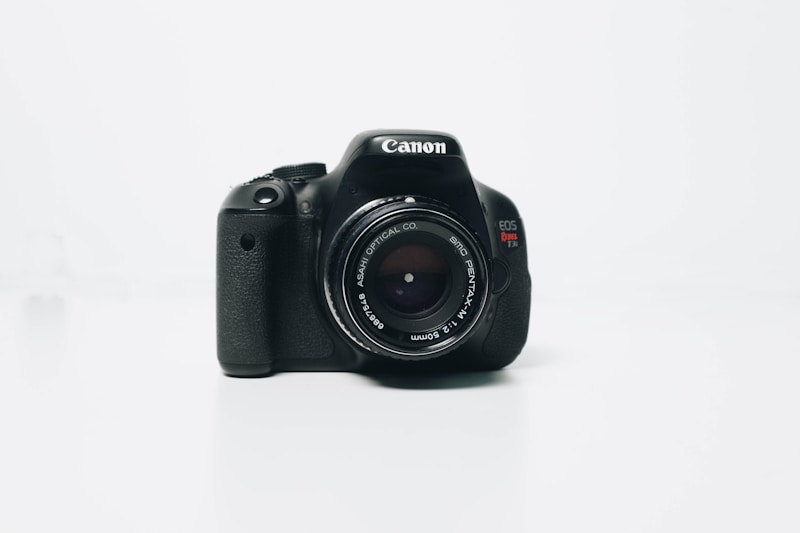
Mirrorless/DSLR: For serious photography, these offer more control and better image quality.
Action Cameras: Great for adventure activities and unique perspectives.
Essential Accessories
Tripod: Essential for low-light photography, long exposures, and self-portraits.
Extra Batteries and Memory Cards: Always carry backups. You don't want to miss shots because of dead batteries or full cards.
Lens Cleaning Kit: Keep lenses clean for sharp images. Travel can be dusty and dirty.
Polarizing Filter: Reduces glare and enhances colors, especially useful for water and sky shots.
Techniques for Different Subjects
Landscapes
Use a Tripod: Allows for smaller apertures (higher f-numbers) for maximum sharpness throughout the frame.
Include Foreground Elements: Add depth by including interesting foreground elements.
Consider the Sky: If the sky is dramatic, give it more space. If it's bland, minimize it.
Shoot at Golden Hour: Best light for landscapes is during golden hour.
Use Manual Focus: For maximum sharpness, especially in low light.
People and Portraits
Get Permission: Always ask before photographing people, especially in close-up portraits.
Use Natural Light: Window light or open shade provides flattering portraits.
Focus on Eyes: In portraits, eyes should be sharp. This is where viewers connect with the subject.
Show Context: Include environmental elements that tell a story about the person and place.
Candid Moments: Some of the best portraits are unposed. Be ready to capture authentic moments.
Street Photography
Be Respectful: Know local customs regarding photography. Some cultures are sensitive about being photographed.
Blend In: The less you stand out, the more natural your photos will be.
Anticipate Moments: Watch for interesting interactions, expressions, or scenes about to unfold.
Use a Prime Lens: Forces you to move and think about composition.
Architecture
Look for Patterns: Architecture is full of repeating patterns and geometric shapes.
Use Wide Angles: Capture the scale and grandeur of buildings.
Consider Time of Day: Light changes how buildings look. Visit at different times.
Straighten Lines: Keep vertical lines straight unless intentionally tilting for effect.
Food Photography
Natural Light: Avoid flash. Use window light or sit near windows in restaurants.
Get Close: Fill the frame with your subject. Show texture and details.
Consider Composition: Use the rule of thirds. Include some negative space.
Show Context: Include elements that tell the story—local markets, cooking processes, or dining settings.
Smartphone Photography Tips
Use Your Phone's Features
HDR Mode: Helps in high-contrast situations by combining multiple exposures.
Portrait Mode: Creates beautiful depth-of-field effects, blurring backgrounds.
Manual Controls: Many phones offer manual controls. Learn to use them for better results.
Grid Overlay: Always use the grid for better composition.
Apps and Editing
Editing Apps: Apps like VSCO, Snapseed, or Lightroom Mobile offer powerful editing tools.
Don't Over-Edit: Subtle edits are usually best. Avoid heavy filters that look unnatural.
Shoot in RAW: If your phone supports it, RAW files give you more editing flexibility.
Post-Processing Basics
Essential Edits
Exposure: Adjust brightness to properly expose your image.
Contrast: Enhance contrast to make images pop, but don't overdo it.
Saturation: Enhance colors subtly. Oversaturated images look unnatural.
Sharpening: Apply sharpening to enhance details, especially important for web display.
Cropping: Use cropping to improve composition and remove distractions.
Keep It Natural
Avoid Heavy Filters: Presets can be starting points, but customize them. Heavy filters date quickly.
Maintain Realism: Travel photography should represent reality. Don't create false impressions.
Consistent Style: Develop a consistent editing style that reflects your vision.
Storytelling Through Photos
Tell a Story
Series Over Singles: A series of photos tells a richer story than individual images.
Beginning, Middle, End: Think about your trip as a narrative with a beginning, middle, and end.
Details Matter: Include detail shots—food, textures, signs—that add context.
People Add Life: Including people in your photos adds emotion and scale.
Capturing Moments
Be Ready: Keep your camera accessible and ready. Great moments happen quickly.
Anticipate: Watch for moments about to happen. Position yourself accordingly.
Shoot More: Digital photography is free. Take multiple shots to increase your chances of getting the perfect moment.
Practical Travel Photography Tips
Research Before You Go
Iconic Shots: Know the famous shots, but look for unique angles and perspectives.
Best Times: Research when locations look best. Some places are better at specific times.
Local Events: Research festivals, markets, or events happening during your visit.
Respect and Ethics
Ask Permission: When photographing people, especially in close-up, always ask permission.
Respect Privacy: Some places prohibit photography. Respect these rules.
Don't Exploit: Avoid photographing vulnerable situations or people in ways that exploit them.
Support Locals: Sometimes offering to send photos or small payments is appropriate and appreciated.
Protecting Your Photos
Backup Strategies
Multiple Backups: Don't rely on a single memory card or device. Back up regularly.
Cloud Storage: Use cloud services for automatic backups.
External Drives: Carry portable hard drives for additional backup.
Organization
Organize Daily: Don't let photos accumulate unorganized. Sort and delete daily.
Use Metadata: Add location and keywords to make photos searchable later.
Create Albums: Organize photos into albums by location or theme.
Great travel photography is about seeing, not just looking. It's about capturing moments, emotions, and stories. With practice and these techniques, you'll create a visual diary of your travels that you'll treasure forever.